




Why Optometrists Can Offer iFlo Dry Eye Mask for Better Home Compliance
Why Optometrists Need Better Home-Care Compliance
Dry eye and meibomian gland dysfunction often require ongoing management. In-clinic assessment is important, but patient adherence at home can strongly influence how the care plan is followed between visits.
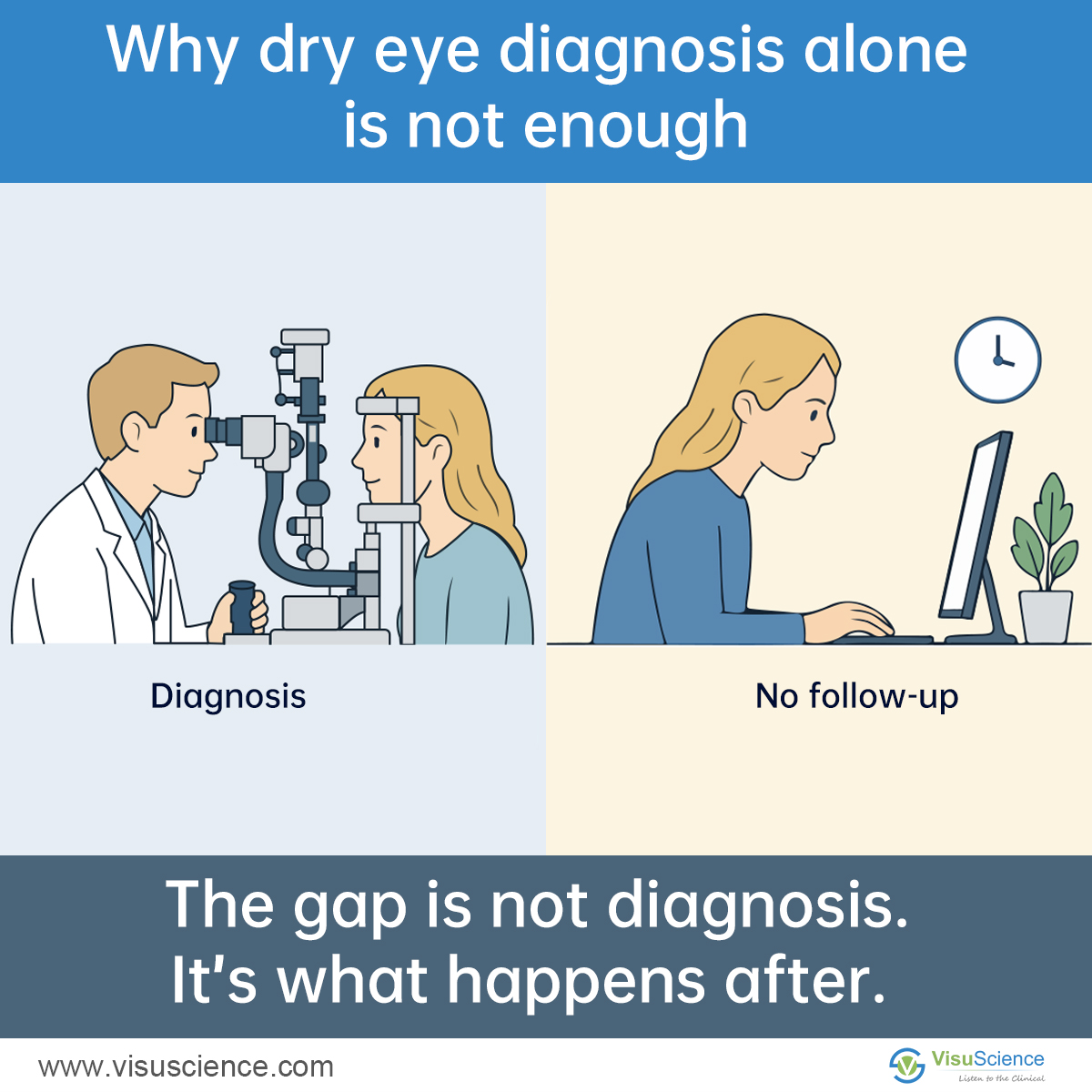
When a patient follows a clear home-care routine, the optometrist has better context for follow-up. The discussion can move beyond "Are your eyes still dry?" and become more specific:
- Did the patient use heat therapy regularly?
- Was the routine easy to complete?
- Did the patient understand why it was recommended?
- Does the next step need to be adjusted?
This matters because adherence and symptom relief are connected in the patient's mind. If patients feel the routine is too difficult to maintain, they may stop before they can build a meaningful habit. If the routine is clearer and more repeatable, they may be more likely to stay engaged.
Where Traditional Warm Compress Methods Fall Short
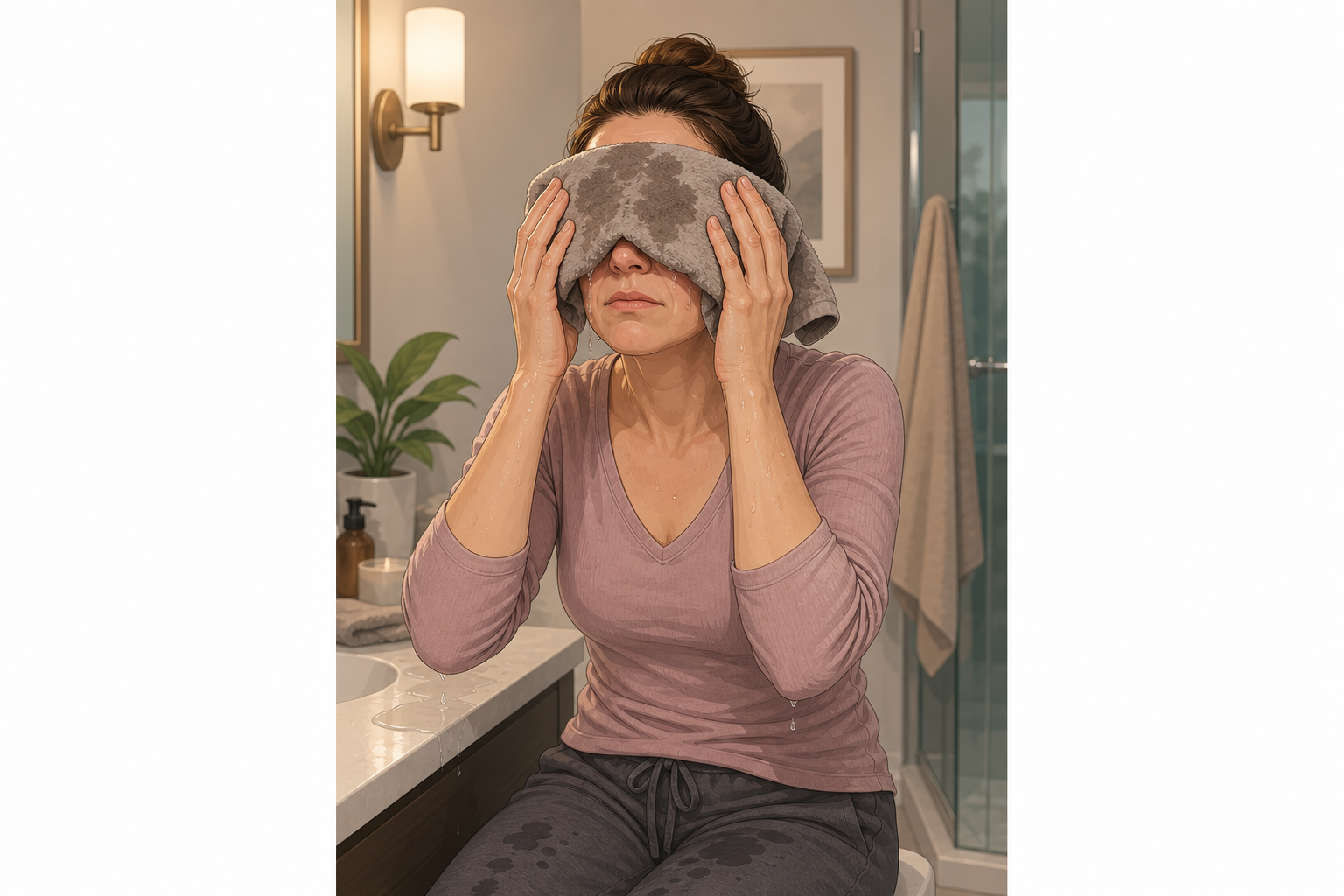
Traditional warm compress methods can be useful, but they are often difficult to standardize at home.
Common patient barriers include:
- Temperature that changes too quickly
- Unclear duration
- Uncertainty about whether the method is being done correctly
- Low motivation after the first few days
- Difficulty making the routine part of daily life
These barriers can reduce confidence for both patients and optometrists. Patients may feel they are "doing something" without knowing whether they are doing it consistently. Optometrists may have limited visibility into what actually happened between visits.
How Offering iFlo Can Support Better Compliance
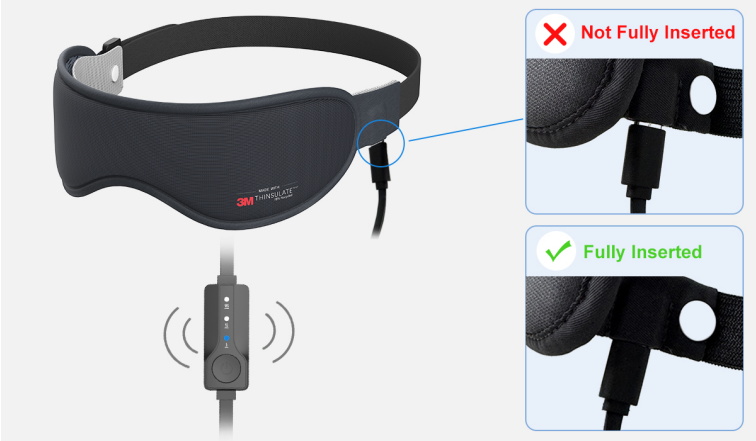
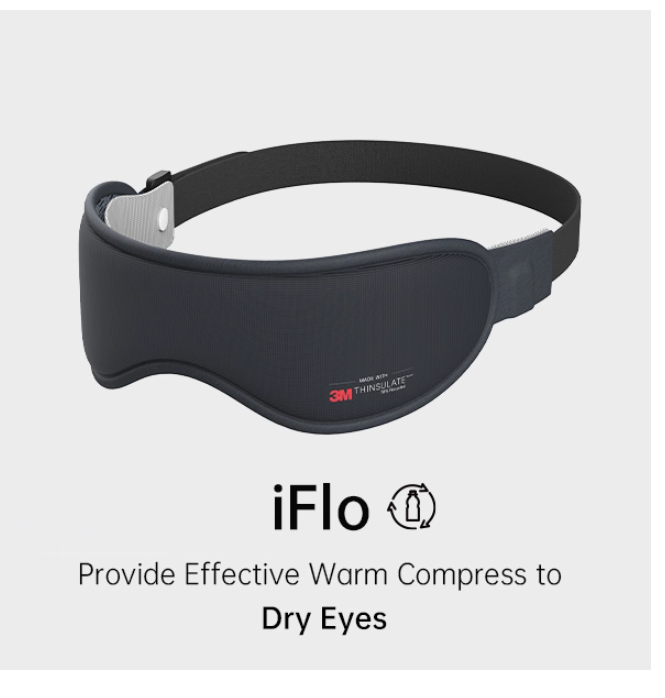
iFlo was designed to simplify home heat therapy with a more structured and repeatable routine patients can realistically maintain.
For optometrists, offering iFlo gives patients a dedicated at-home warm compress tool instead of relying only on improvised heat methods. This makes the recommendation easier to explain and easier for patients to understand.
The patient message can be simple:
"Use this as your structured warm compress routine at home, as directed by your eye care professional."
That clarity matters. Patients are more likely to follow a recommendation when they understand what to do, why it matters, and how it fits into their care plan.

Supporting Symptom Relief as Part of a Care Plan
iFlo is intended to support eyelid warming routines within dry eye care plans. By warming the eyelids, home heat therapy can help support meibomian gland care. When combined with appropriate blinking instructions and clinician guidance, it may help support dry eye symptom relief.
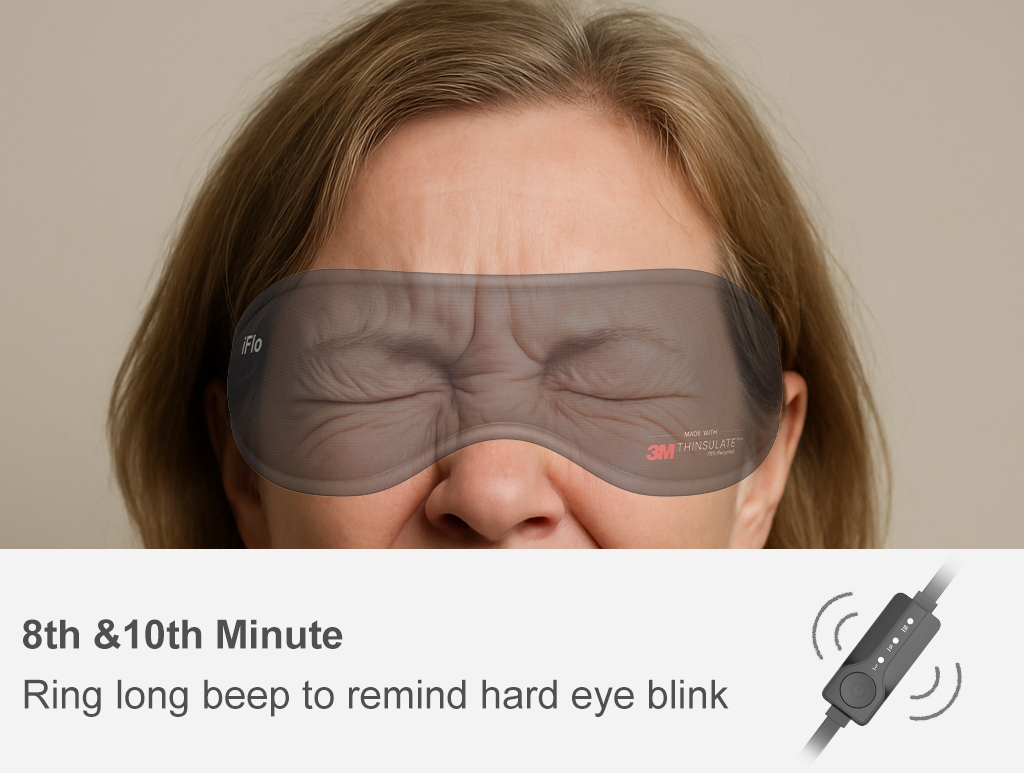
The key is not to position iFlo as a standalone solution. It should be offered as part of optometrist-directed dry eye management.
This gives optometrists a balanced and practical message:
- iFlo can help patients follow a more consistent home routine.
- Better routine consistency may support treatment adherence.
- Structured home heat therapy may help support symptom relief when used as directed.
- Follow-up remains important for evaluating response and adjusting care.
A Practical Offer for Optometry Clinics
Offering iFlo can also improve the patient education workflow.
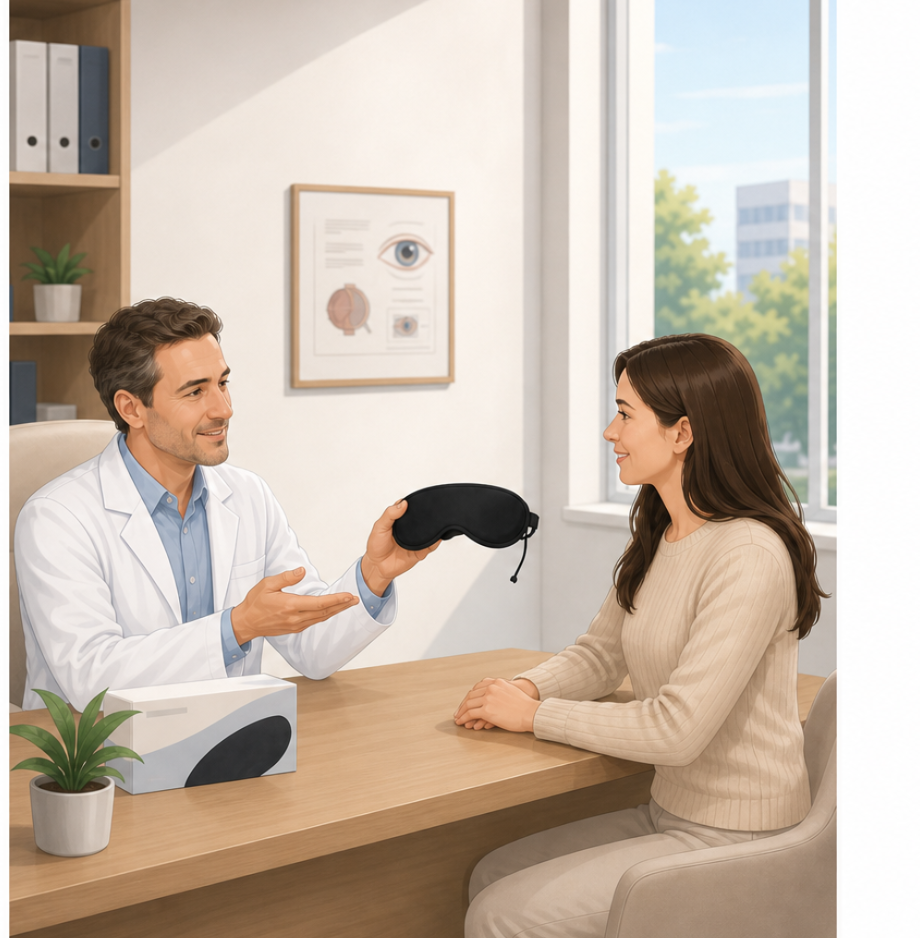
Instead of giving a general warm compress instruction, optometrists can provide a more concrete home-care recommendation. This can make the conversation easier for the patient and more repeatable for the clinic team.
For product users and clinics building a dry eye service, iFlo can also support continuity. The same recommendation can be introduced during the consultation, reinforced by staff, and reviewed during follow-up.
That creates a better bridge between in-clinic care and at-home behavior.
Learn more at www.visuscience.com
Why Optometrists Need Better Home-Care Compliance
Dry eye and meibomian gland dysfunction often require ongoing management. In-clinic assessment is important, but patient adherence at home can strongly influence how the care plan is followed between visits.
When a patient follows a clear home-care routine, the optometrist has better context for follow-up. The discussion can move beyond "Are your eyes still dry?" and become more specific:
- Did the patient use heat therapy regularly?
- Was the routine easy to complete?
- Did the patient understand why it was recommended?
- Does the next step need to be adjusted?
This matters because adherence and symptom relief are connected in the patient's mind. If patients feel the routine is too difficult to maintain, they may stop before they can build a meaningful habit. If the routine is clearer and more repeatable, they may be more likely to stay engaged.
Where Traditional Warm Compress Methods Fall Short
Traditional warm compress methods can be useful, but they are often difficult to standardize at home.
Common patient barriers include:
- Temperature that changes too quickly
- Unclear duration
- Uncertainty about whether the method is being done correctly
- Low motivation after the first few days
- Difficulty making the routine part of daily life
These barriers can reduce confidence for both patients and optometrists. Patients may feel they are "doing something" without knowing whether they are doing it consistently. Optometrists may have limited visibility into what actually happened between visits.

How Offering iFlo Can Support Better Compliance
iFlo was designed to simplify home heat therapy with a more structured and repeatable routine patients can realistically maintain.
For optometrists, offering iFlo gives patients a dedicated at-home warm compress tool instead of relying only on improvised heat methods. This makes the recommendation easier to explain and easier for patients to understand.
The patient message can be simple:
"Use this as your structured warm compress routine at home, as directed by your eye care professional."
That clarity matters. Patients are more likely to follow a recommendation when they understand what to do, why it matters, and how it fits into their care plan.
Supporting Symptom Relief as Part of a Care Plan
iFlo is intended to support eyelid warming routines within dry eye care plans. By warming the eyelids, home heat therapy can help support meibomian gland care. When combined with appropriate blinking instructions and clinician guidance, it may help support dry eye symptom relief.
The key is not to position iFlo as a standalone solution. It should be offered as part of optometrist-directed dry eye management.
This gives optometrists a balanced and practical message:
- iFlo can help patients follow a more consistent home routine.
- Better routine consistency may support treatment adherence.
- Structured home heat therapy may help support symptom relief when used as directed.
- Follow-up remains important for evaluating response and adjusting care.
A Practical Offer for Optometry Clinics
Offering iFlo can also improve the patient education workflow.
Instead of giving a general warm compress instruction, optometrists can provide a more concrete home-care recommendation. This can make the conversation easier for the patient and more repeatable for the clinic team.
For product users and clinics building a dry eye service, iFlo can also support continuity. The same recommendation can be introduced during the consultation, reinforced by staff, and reviewed during follow-up.
That creates a better bridge between in-clinic care and at-home behavior.
Learn more at www.visuscience.com