
Dry Eye Startup Practice
Dry Eye Startup Practice
|
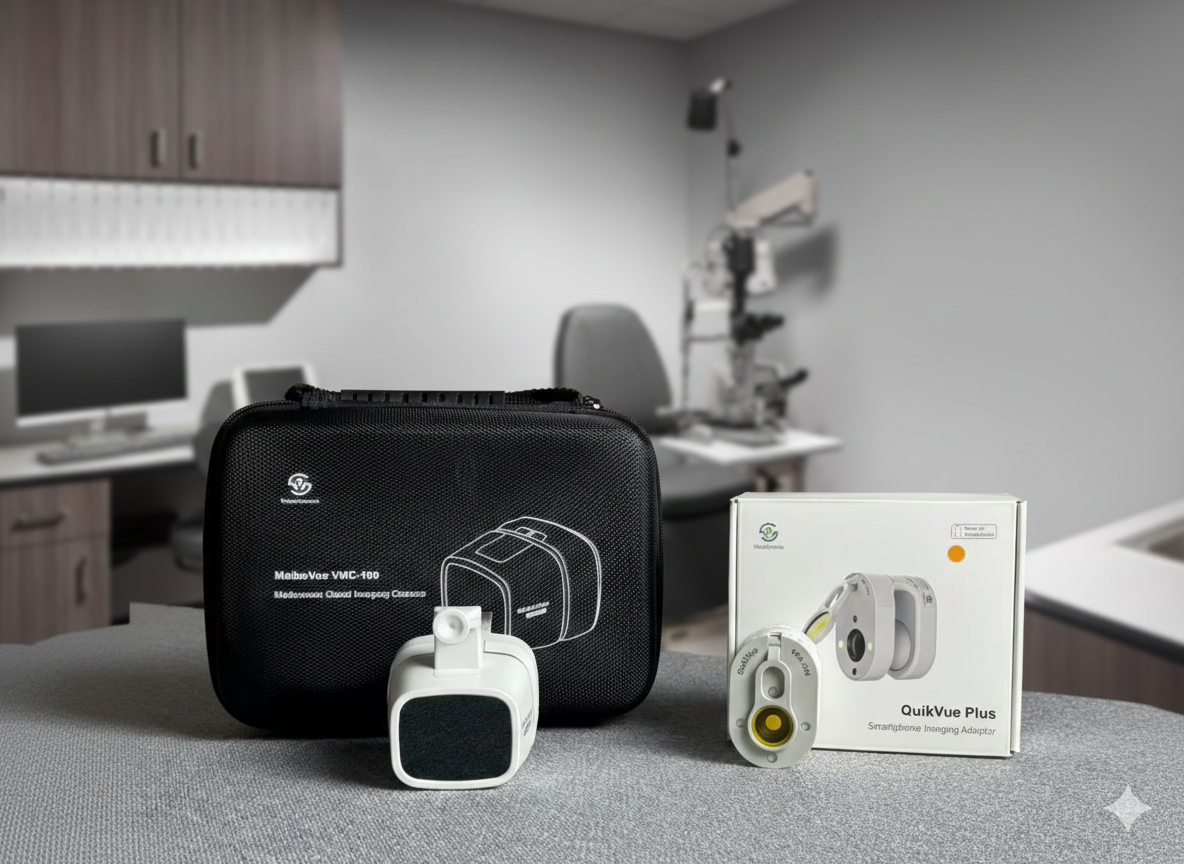
Starting a dry eye service does not require a full diagnostic lab. What it requires is rapid identification of dry eye subtypes, objective visualization, and efficient patient communication. The QuikVue + MeiboVue screening pack is designed precisely for this purpose.
|
||
|
|
Comprehensive Front-Line Screening: Tear Film, Eyelids, and Meibomian Glands
Most dry eye cases involve either tear film instability or meibomian gland dysfunction (MGD)—often both.
Together, they allow the practice to:
This eliminates reliance on subjective symptom questionnaires alone and enables clinically defensible screening within minutes.
|
|
|
Minimal Learning Curve, Immediate Clinical Deployment For startup practices, time to adoption matters more than feature depth.
This means:
|
||
|
|
Strong Patient Education and Conversion Capability Dry eye treatment acceptance depends on whether patients understand their condition.
For practices planning to introduce:
The screening pack becomes the conversion engine, not just a diagnostic tool.
|
|
|
Low Capital Investment, Fast ROI Compared to advanced diagnostic platforms, the screening pack:
This allows practices to:
|
|
|
 |
Future-Proof and Upgrade-Friendly The screening pack does not lock the practice into a dead-end system.
Practices can start small, then expand with confidence. |
|
|
Summary: Designed for Speed, Clarity, and Growth The QuikVue + MeiboVue Dry Eye Screening Pack enables practices to:
For startup or early-stage practices, it is not a compromise solution—it is a strategic starting point. |
|
|
| Dimension | Benefit for a Dry Eye Startup Practice |
|---|---|
| Quick Launch | Launch dry eye services quickly with minimal setup |
| Efficient Screening | Screen efficiently and objectively with easy-to-use devices |
| Patient Education | Educate patients visually with real imaging |
| Treatment Conversion | Convert consultations into treatment plans |
| Low Risk ROI | Achieve early ROI with low operational risk |
Starting a dry eye service does not require a full diagnostic lab. What it requires is rapid identification of dry eye subtypes, objective visualization, and efficient patient communication. The QuikVue + MeiboVue screening pack is designed precisely for this purpose.
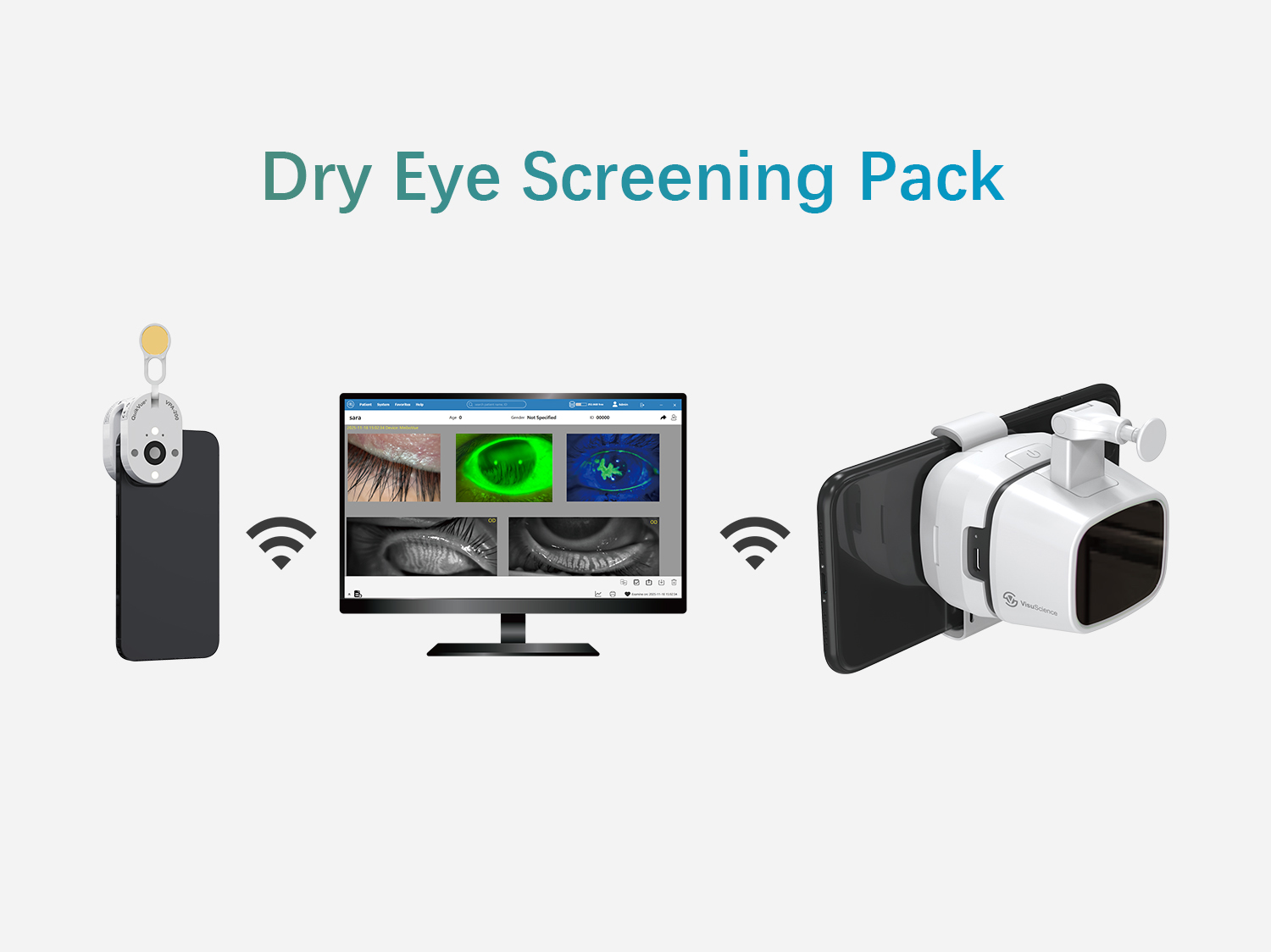
Most dry eye cases involve either tear film instability or meibomian gland dysfunction (MGD)—often both.
Together, they allow the practice to:
This eliminates reliance on subjective symptom questionnaires alone and enables clinically defensible screening within minutes.
For startup practices, time to adoption matters more than feature depth.
This means:
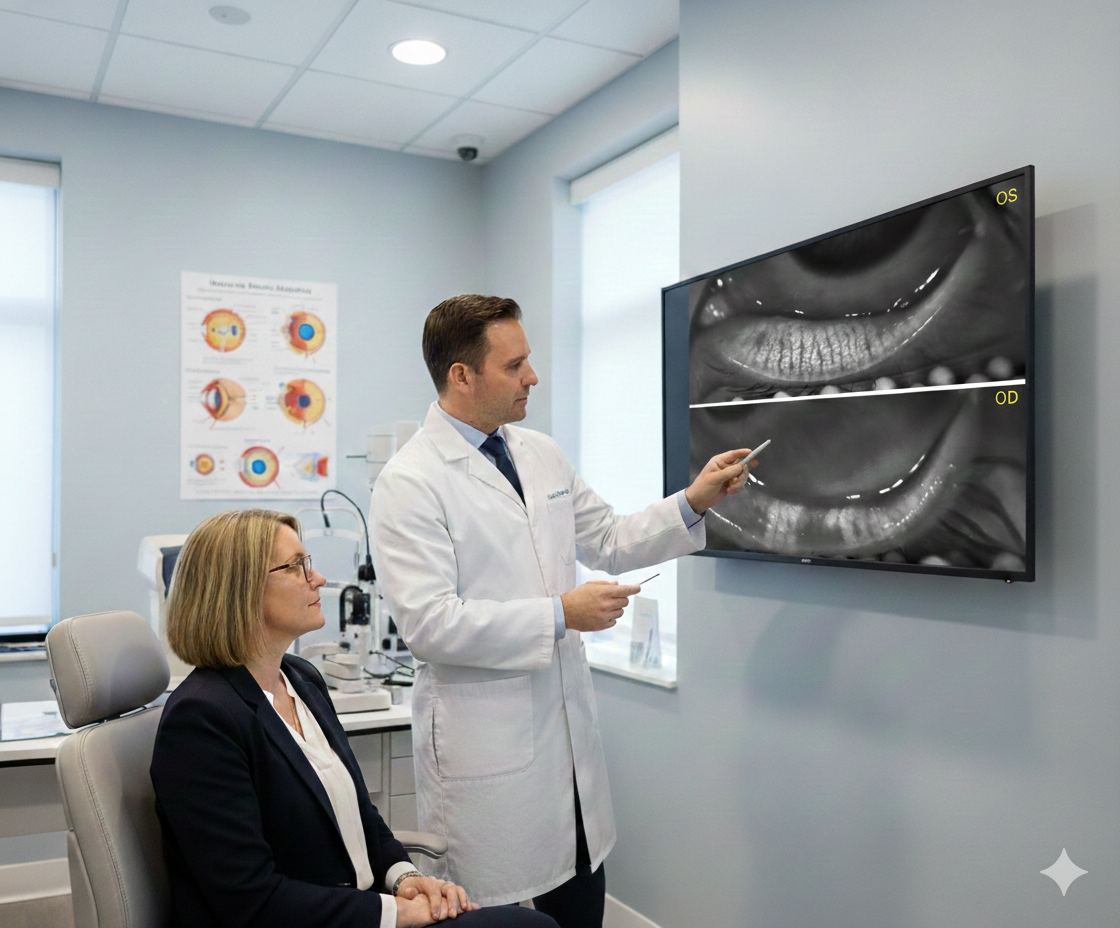
Dry eye treatment acceptance depends on whether patients understand their condition.
For practices planning to introduce:
The screening pack becomes the conversion engine, not just a diagnostic tool.
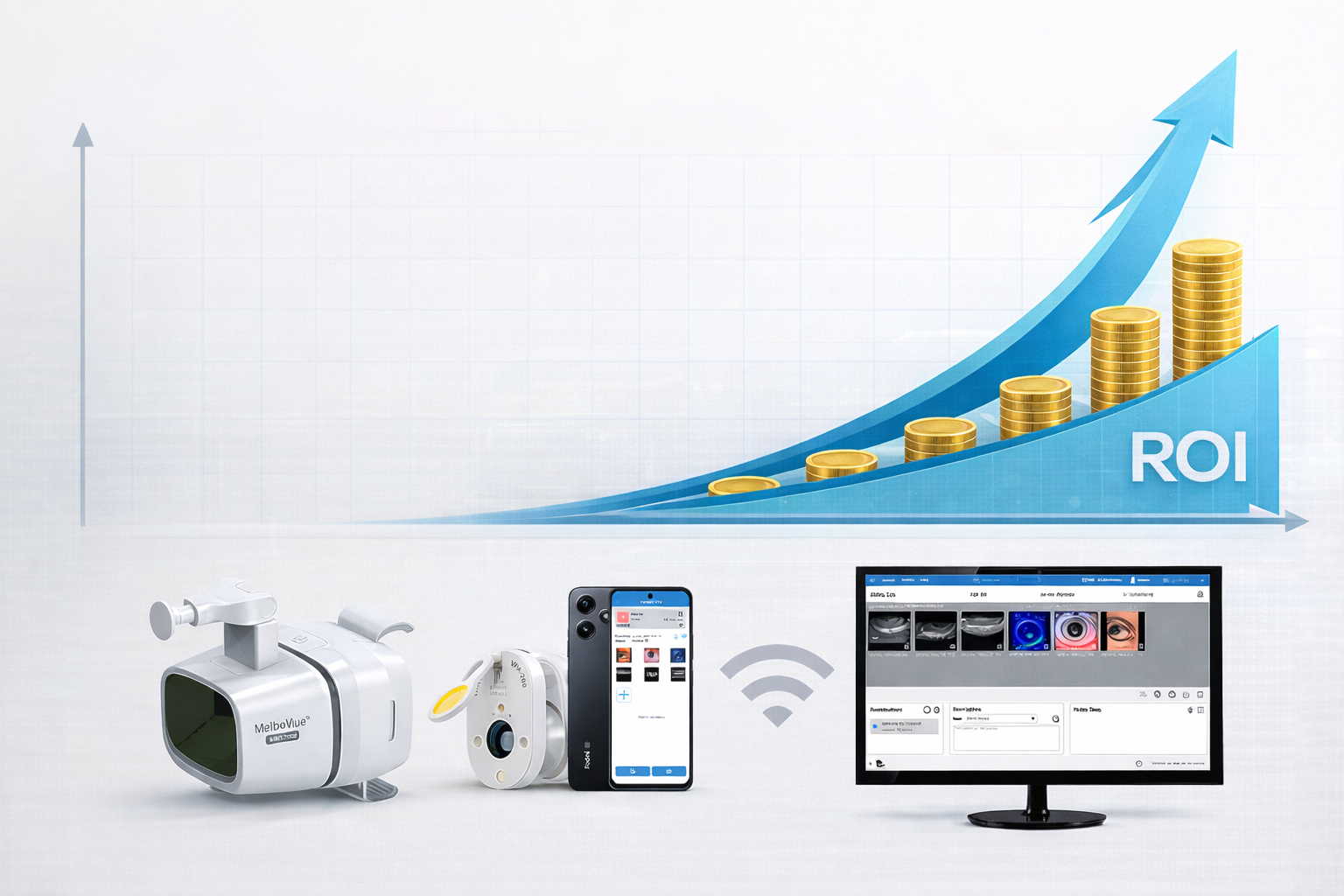
Compared to advanced diagnostic platforms, the screening pack:
This allows practices to:
The screening pack does not lock the practice into a dead-end system.
Practices can start small, then expand with confidence.
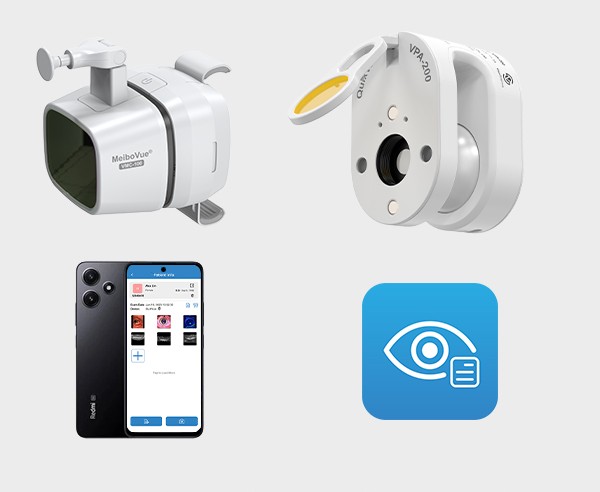
The QuikVue + MeiboVue Dry Eye Screening Pack enables practices to:
For startup or early-stage practices, it is not a compromise solution—it is a strategic starting point.
| Dimension | Benefit for a Dry Eye Startup Practice |
|---|---|
| Quick Launch | Launch dry eye services quickly with minimal setup |
| Efficient Screening | Screen efficiently and objectively with easy-to-use devices |
| Patient Education | Educate patients visually with real imaging |
| Treatment Conversion | Convert consultations into treatment plans |
| Low Risk ROI | Achieve early ROI with low operational risk |




 CE Certified
 ISO 13485
 Global Support
Company Website
www.visuscience.com
Online Store
www.dryeyestartup.com
Content Library
https://contentlibrary.visuscience.com
Others
Contact us
Blog
Events
VisuScience Meditech co.,Ltd.
Add: Room 501, Ruiyun 5 No, 99 Furongzhongsan Rd.
Wuxi 214192, Jiangsu Province, China
Tel +86-0510-85757880
E-mail: info@visuscience.com
Follow us on