




Bringing Eye Care to the Community: How Optometrists Are Screening Patients Beyond the Clinic
In today’s fast-paced world, eye care is no longer confined to the walls of a clinic. Optometrists are increasingly stepping into communities—schools, workplaces, senior centers, and health fairs—to bring essential vision screenings directly to patients. This approach not only improves access to care but also helps identify eye conditions early, including the often-overlooked dry eye disease.
Why Community Eye Screenings Matter
Many individuals, from children to the elderly, may not visit an eye clinic regularly. Community screenings bridge this gap by providing quick, accessible checks for vision problems. Typical screenings include:
Visual acuity tests to detect nearsightedness, farsightedness, or astigmatism
Basic refractive assessments
Intraocular pressure checks
Anterior segment evaluations to spot early signs of eye conditions
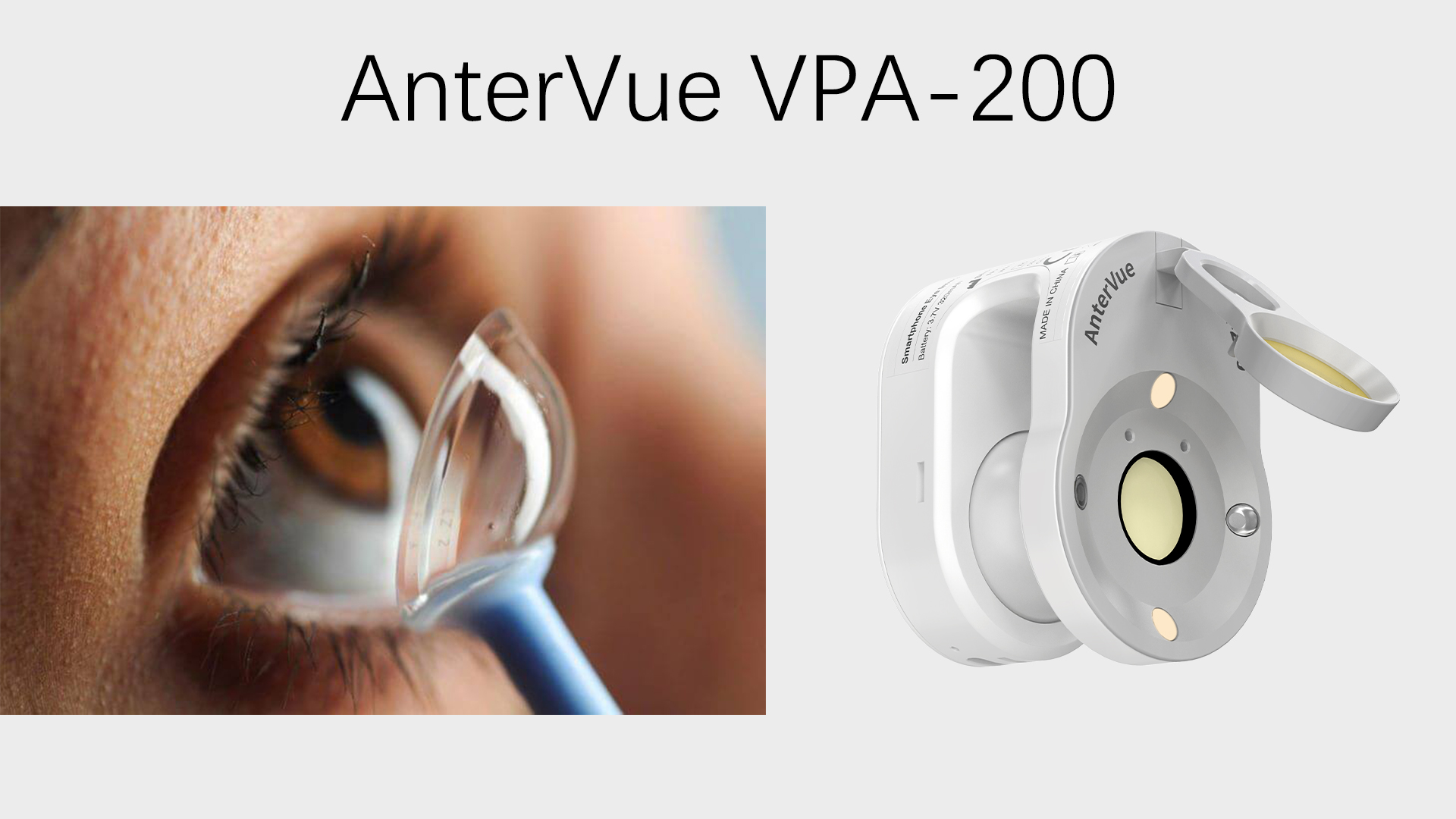
Dry eye assessments using specialized portable devices
These screenings help identify patients who need follow-up care, creating a proactive approach to eye health and reducing the risk of long-term complications.

The Growing Need for Dry Eye Screening
Dry eye is one of the most common eye complaints today, affecting people of all ages. Left untreated, it can lead to discomfort, reduced quality of life, and even vision problems. Community screenings are an ideal way to spot early signs of dry eye and educate patients about treatment options.
However, traditional dry eye diagnostics often require expensive, stationary equipment—making on-site screening challenging. This is where portable solutions like MeiboVue and dry eye screening packs make a difference.

Portable Tools for Community Outreach
Modern portable dry eye diagnostic tools allow optometrists to bring professional-grade assessments directly to patients. Key benefits include:
Lightweight and easy to transport: Ideal for schools, corporate events, and senior centers
Fast and simple workflow: Screen patients in minutes without sacrificing accuracy
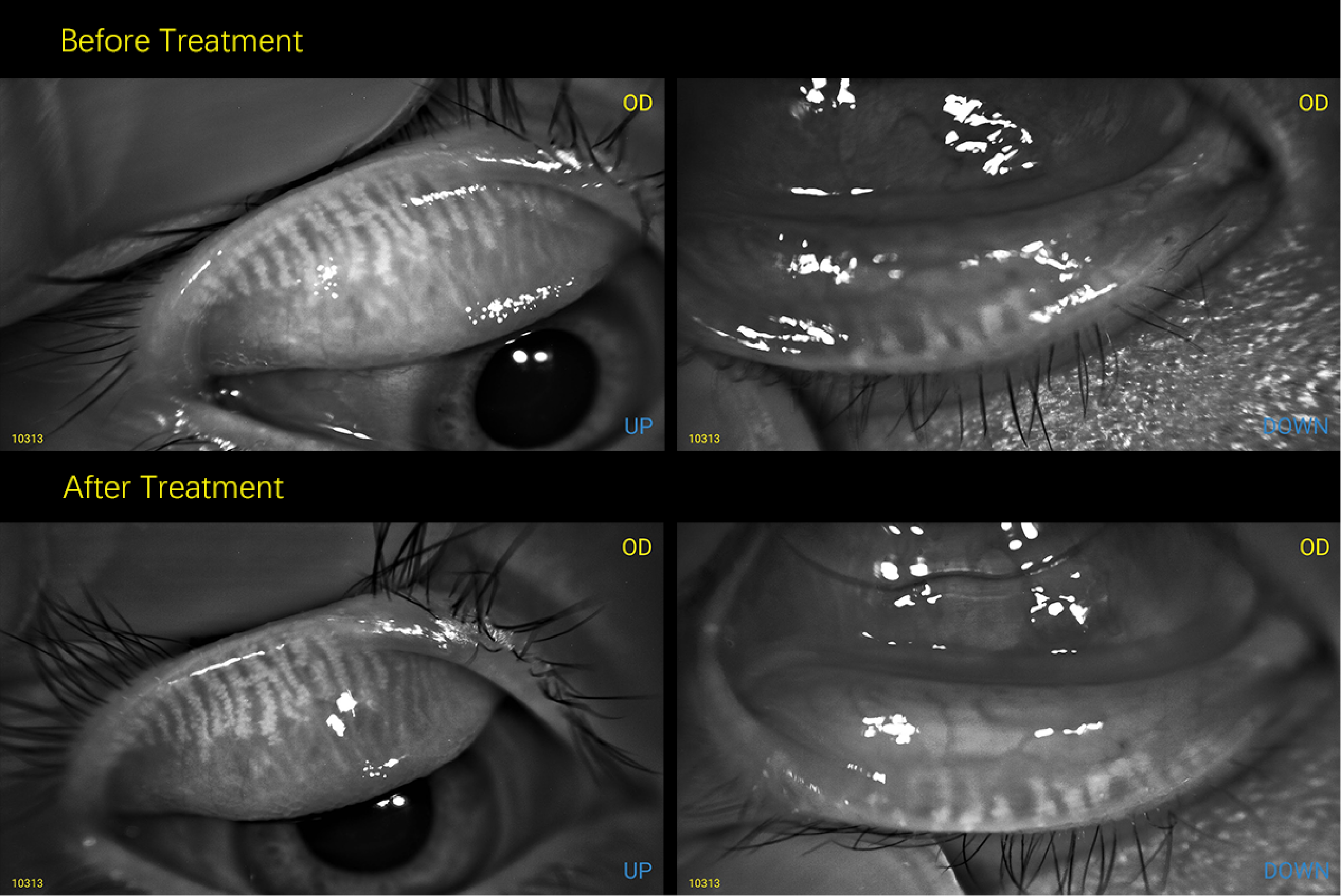
High-quality meibography and tear film evaluation: Helps identify meibomian gland dysfunction early
Patient education made easy: Use grading brochures or real-time images to explain results
Practice growth: Encourage follow-up visits and build stronger relationships with the community
By combining portability with reliable diagnostics, optometrists can expand their reach while maintaining professional standards.

The Impact on Patients and Practices
Community screenings benefit everyone:
Patients receive accessible, early detection of eye problems, including dry eye
Clinics gain new patients and raise awareness about their services
Communities enjoy improved overall eye health and reduced long-term complications
In essence, portable eye care solutions empower optometrists to meet patients where they are, creating a win-win situation for both communities and practices.
In today’s fast-paced world, eye care is no longer confined to the walls of a clinic. Optometrists are increasingly stepping into communities—schools, workplaces, senior centers, and health fairs—to bring essential vision screenings directly to patients. This approach not only improves access to care but also helps identify eye conditions early, including the often-overlooked dry eye disease.
Why Community Eye Screenings Matter
Many individuals, from children to the elderly, may not visit an eye clinic regularly. Community screenings bridge this gap by providing quick, accessible checks for vision problems. Typical screenings include:
Visual acuity tests to detect nearsightedness, farsightedness, or astigmatism
Basic refractive assessments
Intraocular pressure checks
Anterior segment evaluations to spot early signs of eye conditions
Dry eye assessments using specialized portable devices
These screenings help identify patients who need follow-up care, creating a proactive approach to eye health and reducing the risk of long-term complications.
The Growing Need for Dry Eye Screening
Dry eye is one of the most common eye complaints today, affecting people of all ages. Left untreated, it can lead to discomfort, reduced quality of life, and even vision problems. Community screenings are an ideal way to spot early signs of dry eye and educate patients about treatment options.
However, traditional dry eye diagnostics often require expensive, stationary equipment—making on-site screening challenging. This is where portable solutions like MeiboVue and dry eye screening packs make a difference.
Portable Tools for Community Outreach
Modern portable dry eye diagnostic tools allow optometrists to bring professional-grade assessments directly to patients. Key benefits include:
Lightweight and easy to transport: Ideal for schools, corporate events, and senior centers
Fast and simple workflow: Screen patients in minutes without sacrificing accuracy
High-quality meibography and tear film evaluation: Helps identify meibomian gland dysfunction early
Patient education made easy: Use grading brochures or real-time images to explain results
Practice growth: Encourage follow-up visits and build stronger relationships with the community
By combining portability with reliable diagnostics, optometrists can expand their reach while maintaining professional standards.
The Impact on Patients and Practices
Community screenings benefit everyone:
Patients receive accessible, early detection of eye problems, including dry eye
Clinics gain new patients and raise awareness about their services
Communities enjoy improved overall eye health and reduced long-term complications
In essence, portable eye care solutions empower optometrists to meet patients where they are, creating a win-win situation for both communities and practices.